
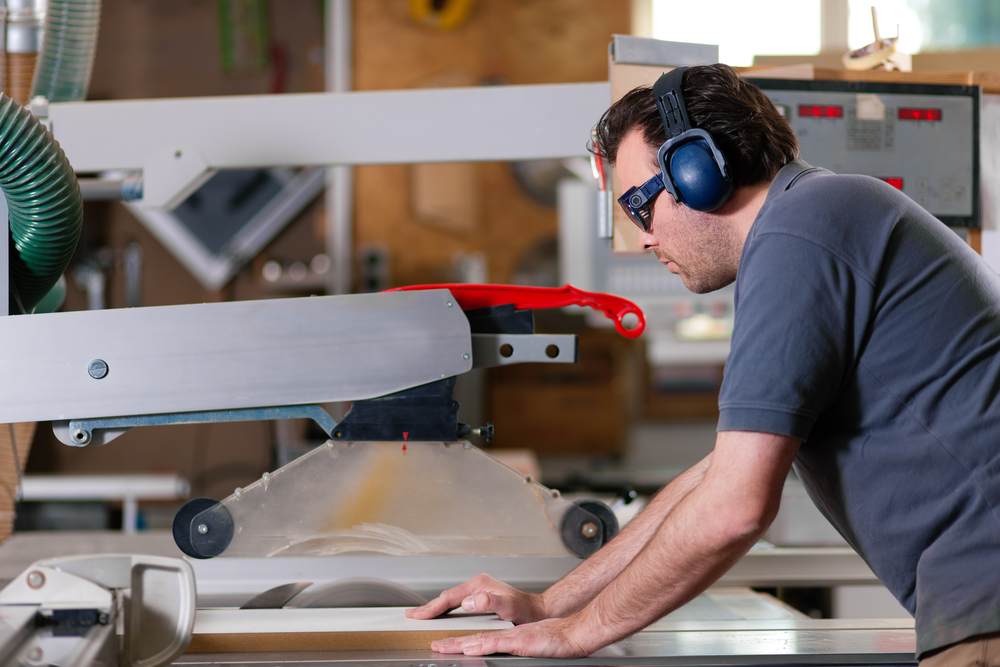
Prolonged exposure to loud noise can take a serious toll on your hearing health, particularly in places where sound levels go above safe thresholds. Protecting your ears is imperative—not only for warding off hearing loss but also for preserving focus in noisy surroundings. Hence, what steps should you implement to identify the ideal hearing protection level tailored to your situation?
The necessity of knowing noise levels and outcomes
The injury caused by noise exposure is a result of both its intensity and the duration spent in that environment. We use dB—a unit that quantifies sound volume—as the best metric for comprehending noise levels. When sound levels reach 85 dB or higher, they can begin to damage your hearing, particularly with extended exposure.
Consider that 85 dB matches the volume of city traffic noise perceived while sitting in a car. An eight-hour period of non-stop exposure can begin to harm your hearing, even if the sound level doesn’t strike you as excessively loud. As the sound gets louder, the period of time you can be exposed securely decreases:
- Damage can result with up to 4 hours of exposure at 90 dB (Lawnmower).
- Restrict your exposure to 100 dB (Power tools) to less than 1 hour.
- 110 dB (Leaf blower): Just 15 minutes of exposure can cause damage.
- Your hearing can be harmed by any exposure to a 120 dB sound (Rock concert).
- Exposure to 140 dB (Jet engine) results in immediate damage and intense pain.
Determining damaging levels of noise
It is mandatory to use hearing protection if your routine exposure is to noise levels of 85 dB. This is primarily true in professional settings like construction sites, manufacturing plants, or any setting where equipment, tools, or gear produce excessive noise.
Even outside of work, there are circumstances where hearing protection can be helpful—attending shows, using leaf blowers, or engaging in recreational shooting sports are all pastimes that can expose you to hazardous noise levels.
Using the NRR to choose the best hearing protection
Hearing protection effectiveness is quantified using the Noise Reduction Rating (NRR) scale. This rating tells you how much sound the unit can attenuate, measured in dB. More substantial protection is shown by a higher NRR number. An instance is a pair of earplugs with a 30 dB NRR, which could drop an 85 dB sound to 55 dB, thereby maintaining you safely within the parameters of safe exposure.
When making your choice, take into account the particular noise intensity you are facing and ensure that the protection reduces the sound below the 85 dB threshold.
Why comfort is crucial for wearing hearing protection constantly
The NRR is clearly significant, but comfort is a similarly significant component in achieving consistent, sustained use. When the hearing protection is cumbersome or uncomfortable, you are more likely to remove it, which leaves your hearing unprotected against harmful noise.
The more comfortable the device, the more likely you are to use it consistently, which significantly reduces the threat of intermittent exposure. To illustrate, bulky or uncomfortable earmuffs may be removed by the wearer occasionally, subjecting their ears to hazardous sound levels.
Different varieties of hearing protection to choose from
A range of hearing protection options are available, all with their own set of benefits and disadvantages:
- Foam Earplugs: These sit inside the ear canal and offer excellent noise reduction. They’re lightweight and disposable but may feel uncomfortable for some users.
- Pre-Molded Earplugs: These rest just outside the ear canal and are reusable, making them a more sustainable option. They’re easier to insert and remove compared to foam earplugs.
- Earmuffs, which cover the entire ear, are well-suited for environments with changing noise levels due to how easy they are to take on and off, but they can be heavy or hot during prolonged use.
The optimal choice of protection is guided by your individual comfort and the particular demands of your surroundings. Construction workers, for example, might prefer the convenience provided by earmuffs, whereas factory personnel may choose earplugs for continuous wear.
Maintaining uninterrupted use of protection
The most reliably effective hearing protection is the one you’ll wear without fail. Stopping the use, even for a short time, may have long-term consequences for your hearing. For this reason, finding a device that balances protection, comfort, and convenience is crucial.
Protect your hearing for the coming years
While noise is an unavoidable part of life, appropriate hearing protection allows you to secure your hearing while still enjoying the sounds surrounding you.
Reach out to us now to talk about your potential for noise-related hearing loss and how to most effectively protect your hearing health.