
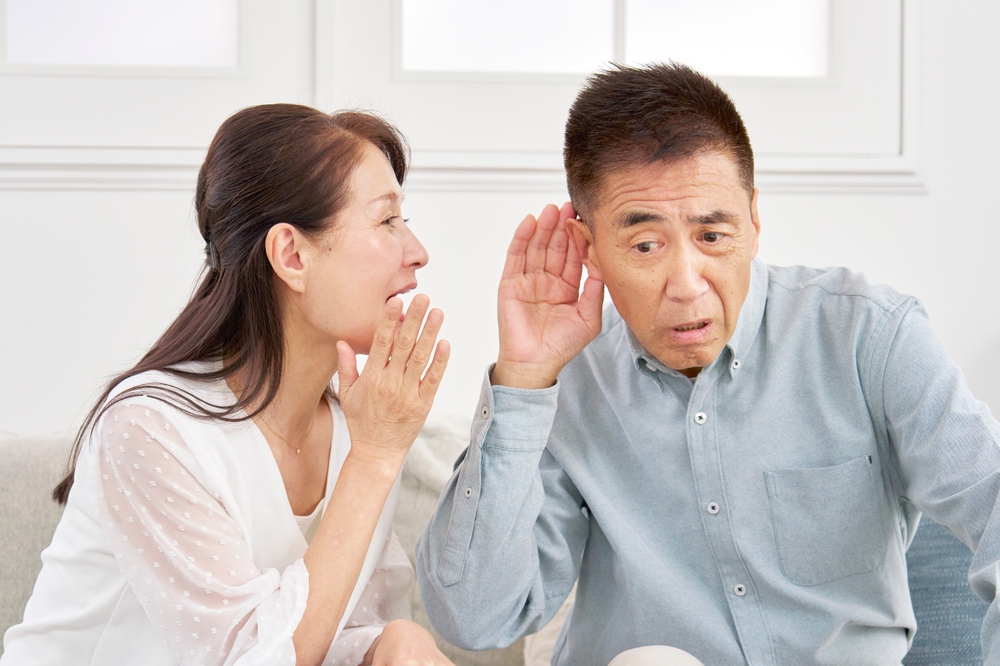
Prevalent myths regarding hearing loss frequently act as a barrier to necessary audiological treatment. When managing hearing loss, timely intervention is a fundamental requirement for long-term health. Subscribing to auditory misinformation can hinder treatment timelines and compromise social connectivity.
If you have concerns about your hearing, knowing the truth (and the myths!) can help you make informed decisions about your health and proceed with greater confidence. We will now examine seven prevalent auditory myths and the clinical evidence that refutes them.
1. Myth: Only Older Adults Have Hearing Loss
Though presbycusis is a standard clinical finding, hearing loss impacts every biological demographic. Factors such as acoustic trauma, genetic markers, ototoxic drugs, and viral infections trigger hearing issues in youth.
Viewing hearing impairment through an age-restricted lens delays diagnosis for millions of younger individuals.
The “I Can Still Hear” Fallacy
The presence of hearing loss does not always manifest as total profound deafness. Patients with mid-range impairment often perceive environmental noise while losing the ability to decode complex speech. Between perfect hearing and total hearing loss is a wide spectrum of hearing challenges.
Common indicators include struggling with speech in noise, requesting repetition, or experiencing post-social cognitive fatigue. Such symptoms are early clinical indicators that the auditory processing system is under stress.
3. Myth: Hearing Loss Is Simply an Inconvenience
The ramifications of unmanaged hearing loss extend far beyond simple conversational struggles. Evidence-based research correlates auditory neglect with social anxiety, mental fatigue, and depressive symptoms.
Proactive hearing care is a vital component of maintaining cognitive health and emotional stability.
4. Myth: Hearing Aids Make Your Hearing Worse
The fear that hearing aids weaken the natural ear is a persistent but medically unfounded myth.
When fitted correctly, hearing aids are safe tools for auditory rehabilitation. Modern tech calibrates sound output to match the specific “gaps” found in your clinical hearing test. By stimulating the auditory nerve, these devices help prevent the “unlearning” of speech sounds in the brain.
Modern Hearing Aids: Invisible and Powerful
Modern hearing technology has advanced significantly. Today’s devices are smaller and more powerful than ever. Many hearing aids are nearly invisible when worn and can be customized to fit comfortably inside or behind the ear.
Modern tech includes advanced directional microphones and wireless streaming directly to the patient’s ears.
Myth: Small Hearing Changes Don’t Warrant Clinical Action
Even a subtle auditory deficit can significantly increase the cognitive load required for daily conversation. Prompt intervention mitigates listening fatigue by making sound processing effortless for the neurological system.
Patients who pursue early help experience a much smoother transition to using hearing technology.
Why OTC Devices Often Fall Short of Clinical Needs
Store-bought devices provide “blanket” amplification rather than the targeted help your ears likely need. Professional diagnostics ensure your hearing solution is “tuned” to your specific environment and biology.
The difference between “generic” and “custom” is measured in both physical comfort and speech understanding.
Taking Control: Overcoming Misinformation for Better Hearing
Feeling anxious about hearing changes is normal, but avoidance only exacerbates the underlying problem. Auditory fallacies act as roadblocks to the treatment that could change your life today. Fortunately, a modern hearing test is a non-invasive, efficient process that yields vital health data.
If you’ve noticed changes in your hearing (even subtle ones), a professional assessment is an important first step. Prompt action protects your ability to engage with the world and maintains your mental well-being.
Our practice is dedicated to your auditory wellness; reach out to us for a comprehensive review. Our team is available for appointments: Call us today to protect your hearing.