
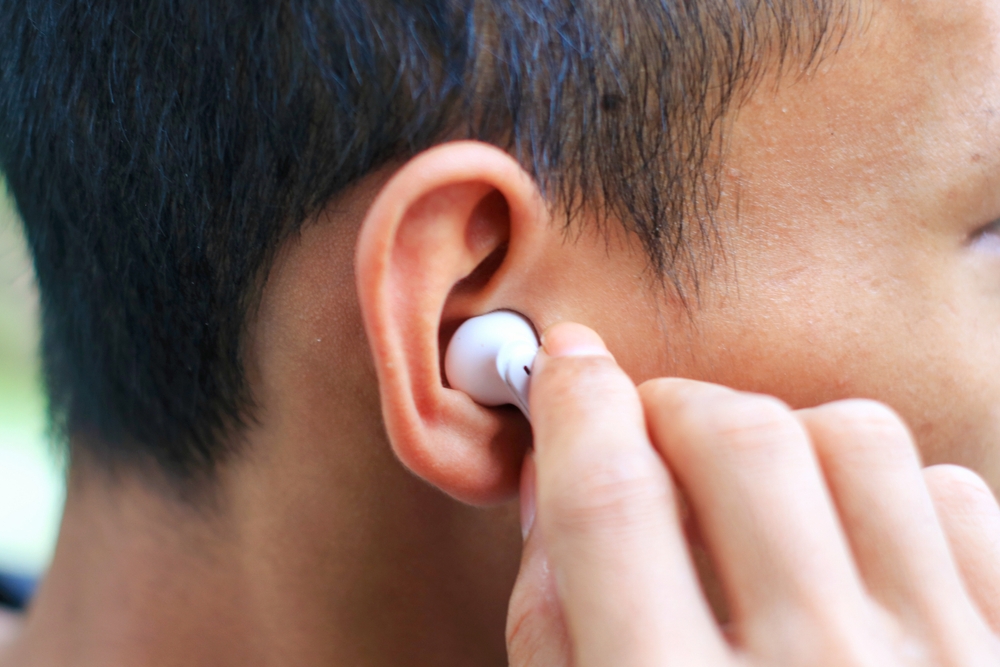
It is increasingly uncommon to observe a young adult in a public setting without an earbud in place. Even with their larger footprint, headphones remain a popular choice for teenagers looking to disconnect from the world. Musical enjoyment knows no age limit, though the younger generation has integrated it more deeply into their daily transitions. So, can headphones cause hearing loss since they are so close to our ears? Ultimately, hearing health depends on the management of volume and duration rather than the device category.
The Biological Threshold of Auditory Exposure
The psychological impact of music varies, serving to calm the nerves, provide emotional solace, or increase physiological arousal. Much depends on the rhythm and volume of the content being consumed. Employing in-ear monitors is an effective method for maintaining acoustic privacy in public environments. That’s a positive thing, and most people will tell you that they are grateful and prefer that on a train or bus.
From an audiological perspective, we must define the specific thresholds for safe volume and exposure duration. The biological fact is that high-intensity sound waves are inherently damaging to the auditory system. Sustained exposure to extreme volumes can result in irreversible trauma to the auditory nerve. Since hearing shifts occur incrementally, the window for prevention has often closed by the time a patient seeks help.
The Key Dangers of Headphones and Earbuds
Sound pressure level is the primary variable in the development of **NIHL**. Yet, we must remember that the length of time spent listening is equally important as the decibel level.
- The National Institutes of Health advises that sounds under 70 decibels are generally safe for the human ear.
- Louder noises will cause hearing damage faster than quieter sounds.
- Follow the 60/60 rule. Keep the volume under 60%, and avoid using them longer than 60 minutes at a time.
- Taking control of your volume slider and managing your time is the best defense against hearing loss.
Indicators That You May Need a Hearing Evaluation
If you notice muffled speech, struggle with background noise, experience **tinnitus**, or constantly require others to speak up, a professional evaluation is necessary.
Contact our office today if you suspect you may have hearing loss.