
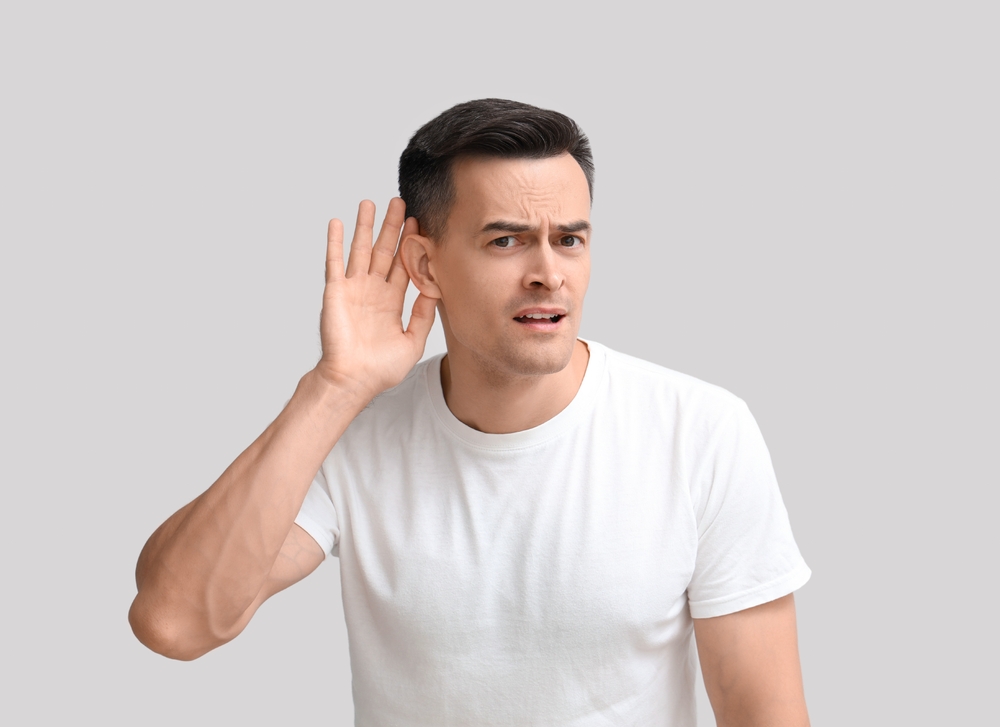
Do you often experience profound mental depletion following extended dialogue or crowded social events?
It is easy to misattribute this fatigue to general stress, lack of sleep, or sensory overload. And it’s true that for introverts or people with sensory issues, social situations can be exhausting. But in some cases, the cause is a lesser-known culprit: auditory fatigue.
Auditory fatigue occurs when the central nervous system must expend excessive energy to decode acoustic signals. The brain’s attempt to reconstruct incomplete audio data requires an immense amount of “processing power” and neural energy. Over time, this constant strain can leave you feeling mentally exhausted.
It is common for patients to conflate auditory fatigue with general daily exhaustion. In many cases, persistent fatigue serves as a diagnostic “red flag” for early-onset hearing impairment. Only a specialized assessment can isolate the role of hearing loss in your current energy levels. If this cycle of exhaustion is recurring, consult an audiologist to investigate the influence of hearing loss.
The Physiological Triggers of Auditory Fatigue
Several factors can force the brain to work harder during listening, increasing the risk of auditory fatigue.
The Hidden Cost of Ignoring Hearing Loss
Unmanaged hearing loss stands as a primary catalyst for chronic listening exhaustion.
When acoustic signals are incomplete, the brain engages in heavy “top-down” processing to reconstruct speech. Relying on context rather than clarity places an unsustainable burden on the brain during everyday conversations.
How Background Noise Triggers Fatigue
Acoustically complex settings serve to intensify the demand on the brain’s filtering systems. Restaurants, meetings, family gatherings, and social events often include background noise competing with speech.
When multiple sounds occur at once, the brain must filter through them to identify the important information. This intensive filtering often leads to cognitive overload, even in patients with “hidden” or sub-clinical hearing loss.
Tinnitus and Sound Distortion
Tinnitus, often described as ringing or buzzing in the ears, can also contribute to listening fatigue because the brain must process external sounds and internal noise signals simultaneously.
When hearing loss causes sound to arrive garbled, the brain must work with higher intensity to extract meaning.
Identifying the Symptoms of Listening Exhaustion
The manifestations of auditory fatigue impact both cognitive performance and systemic energy reserves. Patients often present with the following indicators:
- Feeling mentally drained after conversations
- Reduced focus during professional or social group settings
- Physical head pain triggered by extended periods of listening effort
- Feeling “on edge” or frustrated when trying to follow a conversation
- A tendency to “tune out” or physically leave social gatherings
- The need for a “quiet recovery period” following social exposure
Recurring instances of these symptoms suggest that your auditory processing system is operating at an inefficient level.
Why Hearing Loss Makes Your Brain Work Harder
When hearing is clear, the brain can process speech almost effortlessly. When input is weak, the brain must “steal” processing power from other areas to manage auditory interpretation.
In clinical literature, this phenomenon is identified as a surge in cognitive load. It involves the brain siphoning energy from memory retrieval and focus to prioritize basic speech understanding. Sustained energy redirection eventually results in a state of total mental insolvency. Standard dialogue, which should be easy, becomes a high-intensity cognitive task.
How a Hearing Test Can Identify the Problem
When fatigue becomes a daily burden, a professional evaluation provides the necessary data for a solution. During a comprehensive hearing test, an audiologist will measure how well you hear different tones and speech sounds. They may also evaluate how well you understand speech in background noise, which can reveal challenges that may not appear in quiet settings.
The data from your exam will determine if your fatigue is rooted in a physiological hearing deficit. Timely audiological care is the most effective way to halt the progression of auditory fatigue.
How Hearing Treatment Reduces Listening Effort
Addressing the underlying impairment is the most direct way to eliminate auditory fatigue.
Current digital technology restores the signal-to-noise ratio, providing the brain with a cleaner audio feed. Consequently, the brain receives a high-fidelity signal that requires no guesswork or phonemic restoration.
Once auditory strain is reduced, the following areas often show significant improvement:
- General energy levels from morning to evening
- Focus during conversations
- Feeling relaxed and confident in noisy environments
Lowering the cognitive cost of communication allows social life to feel effortless once more.
When Should You Schedule a Hearing Test?
A professional screening is recommended if you identify with these patterns:
- Socializing feels like a high-intensity mental workout
- Friends or family members mention that you often ask them to repeat what they’ve said
- You find yourself “guessing” at words in loud settings
- You avoid social situations because listening feels difficult
Resolving these issues today ensures a higher standard of living and better cognitive health for the future.
Common Inquiries Regarding Listening Effort
Distinguishing Between Exhaustion and Impairment
There is a difference: the fatigue is the neurological byproduct of the effort to hear. While they are different, hearing loss is the direct driver of most fatigue cases.
Do Hearing Aids Help with Exhaustion?
Yes. By improving sound clarity and reducing background noise, hearing aids can significantly decrease the mental effort required to understand speech.
Is auditory fatigue permanent?
Typically, this fatigue is transient and resolves once the auditory system is supported by clinical care.
Stop Feeling Drained After Conversations
Socializing should replenish you, not leave you feeling drained. Feeling “wiped” after a party is a signal that your brain is struggling to manage its cognitive load.
Don’t wait for the burnout to get worse; schedule your audiological check today. Total peace of mind is only possible when you understand the physiological roots of your fatigue.