
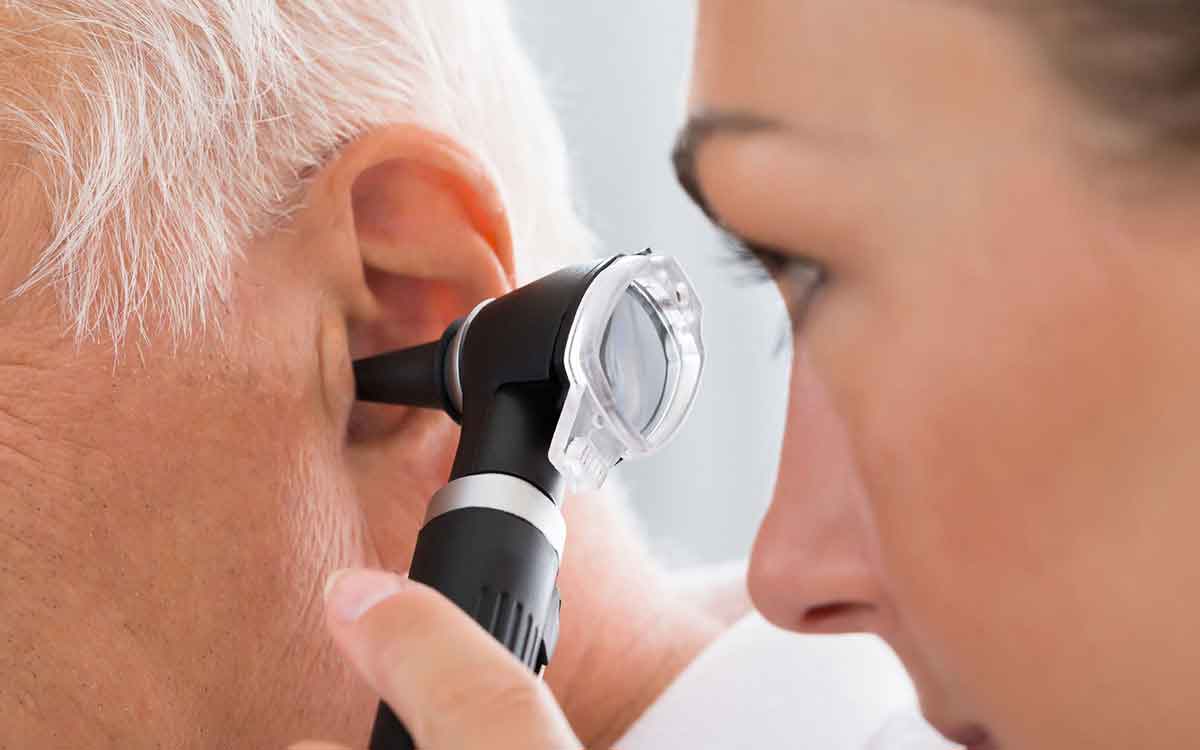
Because hearing loss typically progresses slowly, early signs frequently go unnoticed by the individual. Many people adjust without realizing it by increasing the TV volume, asking others to repeat themselves, or avoiding crowded environments.
Prioritizing an initial evaluation can assist in optimizing daily communication.
Primary Signs of Developing Hearing Impairment
If you experience any of the following symptoms, it is advisable to have your hearing checked.
- Impaired speech discrimination during social interactions within high-noise areas.
- A regular need of requesting clarification during daily interactions.
- Muffled or blurred vocalizations, where words sound blended together.
- Turning up the volume on the TV, phone, or radio to levels that others find excessive.
- Trouble hearing higher-pitched sounds, including children’s voices, birds, or electronic alerts.
- The presence of tinnitus, manifesting as ringing or buzzing in the ears.
- Feeling cognitively fatigued after conversations, resulting from the strain of auditory processing.
- Isolating from group interactions as conversational tracking becomes difficult.
These early signs of hearing loss may impact either ear and can be intermittent at first. Since the auditory cortex adapts to changes, subconscious adjustments often remain hidden until clinical hearing loss is substantial.
Understanding Hearing Impairment Through Data
Data from the World Health Organization indicates that a vast population will need auditory rehabilitation by mid-century. Other noteworthy statistics involve:
- By 2050, nearly 2.5 billion people are projected to experience some degree of hearing loss.
- Over 5% of the world’s population (430 million people) necessitates rehabilitation to address disabling hearing loss.
- More than 1 billion younger individuals are at risk of avoidable hearing loss due to hazardous acoustic habits.
- Among those aged 60 and older, over 25% have clinically significant hearing loss.
The Critical Importance of Early Identification
Failure to address auditory decline influences systemic well-being and daily wellness.
Studies have identified a link between auditory impairment and risks involving dementia and mobility issues.
Identifying symptoms early on ensures more effective outcomes and varied therapeutic choices.
Audiological testing differentiates between age-related decline, earwax buildup, or underlying infections.
Under certain conditions, auditory shifts are transient and reversible.
Alternatively, utilizing safety strategies or digital hearing aids early may delay the advancement of hearing loss.
Recognizing the Need for Audiology Services
It is advisable to get a consultation from an audiologist if:
- Auditory symptoms persist for a duration exceeding several weeks.
- Hearing difficulties interfere with work, relationships, or daily activities.
- Instances of sudden decline, dizziness, or chronic tinnitus warrant urgent clinical attention.
Hearing tests are painless and safe, additionally they provide valuable insight into your auditory wellness.
We invite you to reach out to our clinic if you believe a hearing assessment is necessary.
Auditory Health FAQ: Initial Symptoms
Question: Is aging the sole cause of hearing impairment?
A: No, while aging is a factor, hearing loss can be precipitated by acoustic trauma, infection, or systemic health issues.
Q: Can hearing loss be reversed?
A: Some causes, like earwax buildup or infection, may be reversible. Permanent sensorineural hearing loss is typically managed using advanced hearing devices and management protocols.
Q: At what intervals should I have my hearing evaluated?
A: A baseline screening is advised by age 50, or sooner if clinical symptoms manifest.