
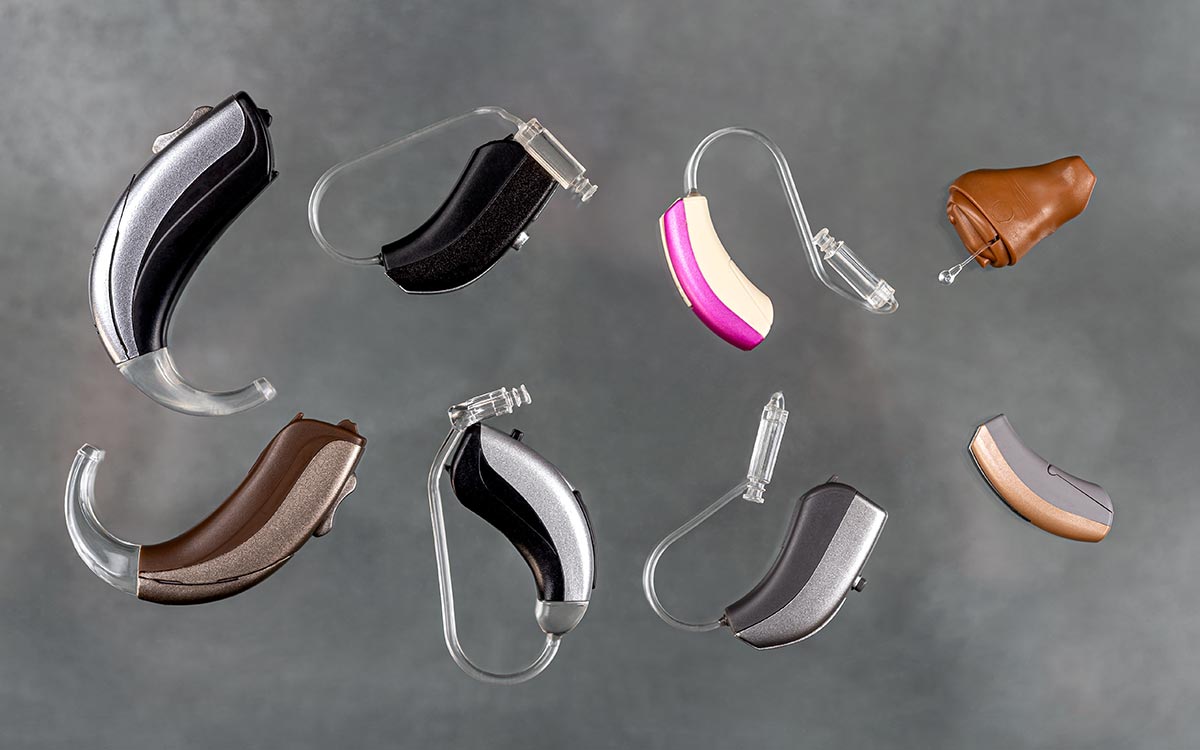
With so many options in terms of dimensions, style, and technology, the process of picking an instrument can feel quite intense. However, a specialized hearing solution exists for every person’s unique needs and daily habits. It’s all about learning which model fits perfectly with your specific requirements.
By learning about the differences among various hearing aid models, you can move forward with greater confidence and knowledge. In this breakdown, we look at current styles and the unique characteristics that define them.
The ITC (In-the-Canal) Style Detailed
What they represent:
These hearing aids are placed partly inside the canal, making them visible only slightly from the outside.
Why people choose them:
- Offers an improved profile than bulkier behind-the-ear units
- Individualized molding guarantees long-term wearing comfort
- Works well for individuals experiencing mild hearing challenges
These devices are frequently recommended for novices due to their effective mix of subtle design and user-friendly functions.
Exploring IIC (Invisible-in-Canal) Choices
What they are:
IIC hearing aids are the smallest custom design available. They sit deep inside the ear canal and are virtually invisible when worn.
Primary Incentives:
- The best choice for patients prioritizing appearance
- Strategic placement enables an incredibly organic listening experience
- So light and small that users often forget they are wearing them
The small form factor of IIC models makes them perfect for mild hearing loss and anyone who values a stealthy hearing solution.
In-the-Ear (ITE) Hearing Aids
The Basics:
ITE hearing aids fill either the entire outer ear (full-shell) or the lower portion (half-shell). They are custom-made to match the contours of your ear.
The Advantages:
- Larger size allows for more features and longer battery life
- Simpler to handle for those with dexterity challenges
- Effective for a wide range of hearing impairments, ranging from mild to severe
Users regularly choose these units for their straightforward, single-piece construction that avoids any external wiring or tubing.
Exploring BTE (Behind-the-Ear) Designs
What they represent:
Positioned securely on the back of the ear, BTE models sit on the outer ridge. Audio moves into the ear canal through an internal tube or custom earmold.
Why people choose them:
- Regarded as one of the most reliable and robust designs available
- Effective for almost every level of hearing impairment
- The spacious housing enables high-tech extras and built-in power cells
BTE devices are a wonderful option for individuals seeking reliability, ease of use, and strong amplification.
The RIC Style Analysis
Component Structure:
RIC hearing aids look comparable to BTE models, but the speaker (receiver) sits inside the ear canal rather than inside the device behind the ear.
Why people select them:
- Known for producing some of the most authentic audio in the industry
- The ultra-thin design is equally light and nearly effortless to wear
- RIC technology is highly flexible for many different audiogram profiles.
RIC devices are one of today’s most common models, thanks to their blend of comfort, aesthetics, and performance.
Understanding Extended-Wear Solutions
Operational Info:
A hearing specialist inserts these specialized hearing aids deep into the canal, where they remain for multiple weeks.
Lifestyle Advantages:
- Eliminates the need to put in or take out the device every day
- They are virtually hard for others to notice because of their depth
- Designed to be worn during everyday activities, including sleeping and exercising
For a “hands-off” method of hearing assistance, extended-wear technology is the top recommendation.
Wireless Bluetooth Connectivity
What they represent:
Connectivity-focused hearing aids that use Bluetooth to integrate with your digital life.
Why people select them:
- Stream calls, music, and audio directly to the hearing aids
- Allows for quick, discreet adjustments to your hearing aids through digital software
- Perfectly matched for the requirements of a tech-savvy, connected individual
Bluetooth features are available across many styles, including RIC, BTE, and some ITC models.
Surgically Placed Middle-Ear Systems
Technical Description:
Middle-ear implants are specialized tools that employ mechanical vibration to enhance hearing via the middle ear.
Why implants are utilized:
- A viable path for patients who are unable to wear standard acoustic devices
- Solves the issue of canal discomfort caused by regular hearing aids
Candidates for middle-ear implants should complete an exhaustive evaluation by a hearing specialist.
Finding the Hearing Aid That Fits Your Life
Every hearing aid style offers its own benefits, and the right option depends on your level of hearing loss, comfort preferences, lifestyle, and cosmetic considerations. A specialist can provide the guidance needed to test out different styles and find the one that fits your life perfectly.
Begin your journey to clearer sound by setting up a hearing test now. Your future of assured interaction starts with this first evaluation.
Sources:
https://www.mayoclinic.org/diseases-conditions/hearing-loss/in-depth/hearing-aids/art-
20044116
https://www.hearinglife.com/hearing-aids/types
https://www.nidcd.nih.gov/health/hearing-aids